


Reduce. Reuse. Upcycle.
It's clear what the benefits of upcycling are. Reusing materials that have already been produced and discarded to create something new benefits the planet in numerous ways. It minimizes the extraction of natural resources, reduces landfill waste, and with less manufacturing, there are fewer carbon emissions. Increasingly, designers are making it a priority to put the health of the planet first and find cutting-edge solutions for creating beautiful, thoughtful products that started out as something else. Everything, from used fabric, leather and glass, to plastics, steel, and stone from construction sites becomes the source for new, stylish designs. We support these innovative designers and hope that you will too.
AN ICONIC DESIGN MADE FROM RECYCLED GLASS

CIRCULAR DESIGN FROM CYRC.

SUSTAINABLE DANISH DESIGN
Set a stylish table with recycled leather. LIND DNA placemats are made from excess vegetable-tanned core leather from the fashion and furniture industry. Reducing the negative impact on the planet, LIND DNA provides more than they take.

FROM STONE TO STONE PAPER
 Because what we do today has an impact on tomorrow, Karst paper is made from 100% sustainably recycled stone, so there is no cutting, transporting, or pulping trees. It also eliminates the thousands of gallons of water used to produce wood-pulp paper, making Karst paper’s carbon footprint 60% smaller than the same amount of traditional paper. The paper in Karst Journals is made from calcium carbonate, a repurposed construction waste. Redefining what we think of as paper, stone paper is waterproof, durable, acid-free, and smooth for a great writing experience. They don't just make beautiful paper, Karst also plants a tree with every purchase.
Read more

Summer is winding down and it's time to start planning for heading to - or back to - university. Before the focus turns to academics there is the exciting matter of setting up your new space. Start...
Read more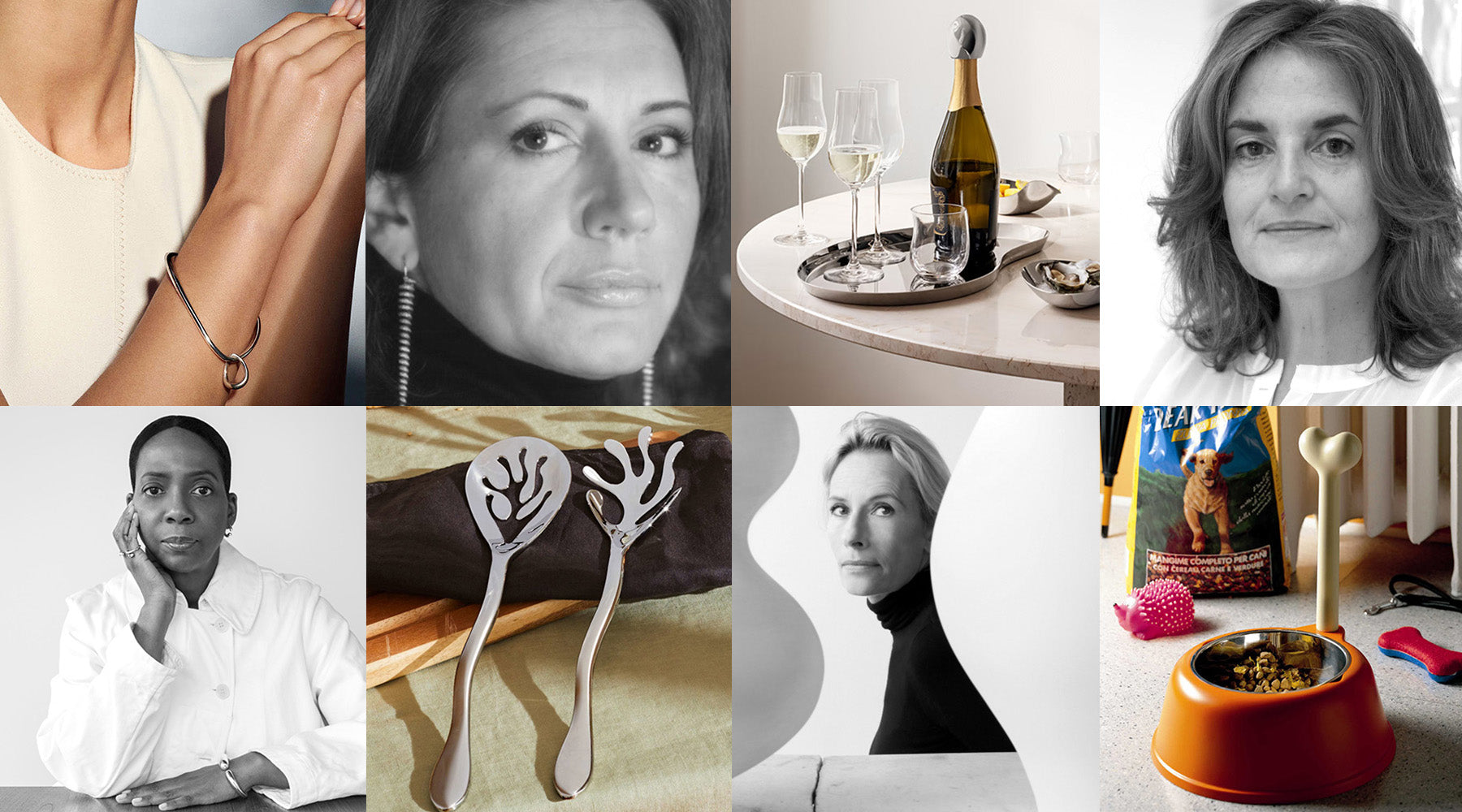
March 8th, International Women's Day, is the date that women around the world are celebrated for their contributions to everything from business and politics to culture and the arts. As a woman-own...
Read more